Simple Steps for a Safer Campus

October is National Cybersecurity Awareness Month, and this year Scout is excited to walk with you along the way to achieve a safer campus through simple steps we can all use in our daily lives. Scammers are always trying new tricks to get their paws on our information, but these simple steps will help us be stronger together. So let’s show them our bite is as bad as our bark, and that we’re all committed to a safer campus together.
Simple Step 1: Always report suspicious emails!
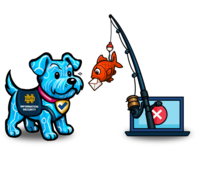
It’s easy to spot phishing scams when you know what to look for. Things like grammatical errors, too-good-to-be-true offers, a sense of urgency, threats of serious consequences, and unexpected links or QR codes are all signs of phishing. If you spot these, report the email right away! All you have to do is head to the three dots in the top right corner of the email, and scroll down to the fish hook to report phishing. Not only will this help you avoid phishing, but it will help everyone else on campus avoid the same email!
Simple Step 2: Power up your passwords!
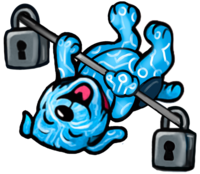
Passwords are one of your first and best defenses against account compromise. Make sure to always use a long, strong and unique password for each account. We have some additional guidance on how to do that as well as how to store all those passwords, so don’t worry about those parts! Remember to also turn on Multi-factor Authentication (MFA) wherever you can. You’re covered with MFA through Okta on campus, but make sure your banking, social media, and any other important accounts are protected by this extra layer of security. Think of your password like the front door key, and MFA is the deadbolt - you really want both, right?!
Simple Step 3: Pause, verify, protect
Social engineering is a scammer’s way to get you to act quickly, trust they are who they pretend to be, and give up your personal information. So by taking a brief moment to pause and think through the situation, and verify the identity of who you’re communicating with, you’re more likely to protect yourself in the process. These situations are often the next step for a scammer after someone falls for a phish - clicks a malicious link or engages with a strange message. By staying savvy to their behaviors, it’s easier to spot the way they create tense situations, play on others’ emotions and press for sensitive information (like PINs, logins, financial information), we can protect our campus community.
Simple Step 4: Keep your identity private

There are so many ways identities get exposed online, and it often goes unnoticed with constant news stories, updates from friends, and other sources of information to sift through online. Periodically taking a few minutes to review and refine your privacy settings can go a long way to keeping your identity safe online. Many app providers make little tweaks to their settings with version updates, so it’s likely something can change without you knowing! It’s also important to pay close attention to any notices you may receive about data breaches at organizations you have accounts with (they’re obligated to let you know if information was exposed), and follow the steps they lay out to help protect your data from leaking. Your digital identity is precious. This simple step can help keep it secure online, so you can explore, connect and learn confidently.
While National Cybersecurity Awareness Month is a great reminder of how we can all take simple steps to create a safer campus, these are all things we can do every day of the year to remain protected. And remember, Scout is here to guide you, not just guard you, so check back for additional guidance throughout the year. And if you need any help or have questions, you can contact infosec@nd.edu.
Play Scout's Phish Hunt!
Scout’s Phish Hunt Information Security Game by Casey Kiel